
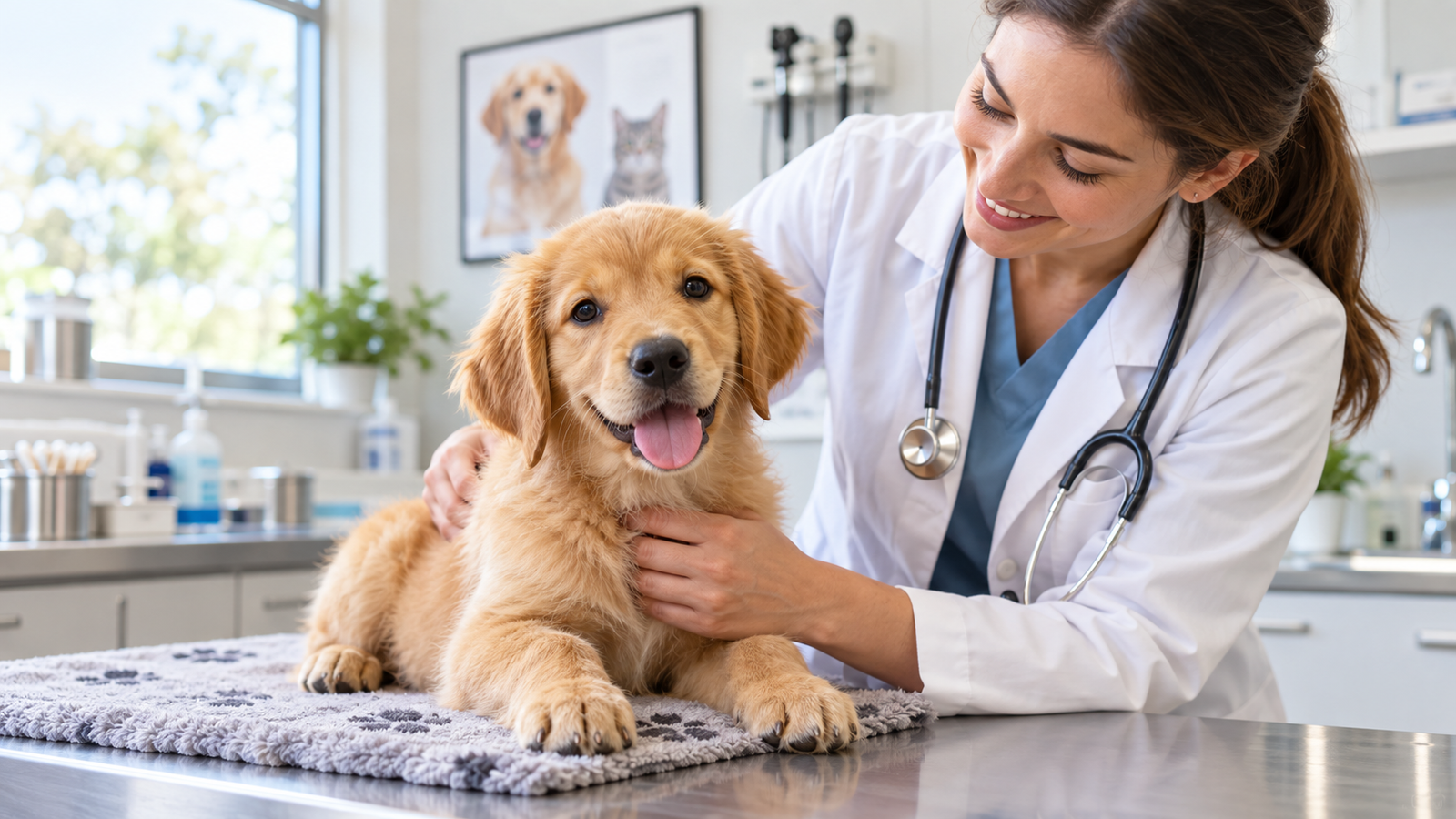

A dog vaccination schedule is an important part of preventive health care. Vaccines help protect puppies and adult dogs from serious infectious diseases, but the right vaccination plan is not exactly the same for every dog.
Your dog’s age, previous vaccination history, health, lifestyle, location and local regulations can all affect which vaccines are recommended and when they should be given.
Dog Vaccination Schedule at a Glance
There is no single vaccination calendar that applies to every dog worldwide. However, this general schedule shows how vaccination is commonly approached.
| Age or Stage | Typical Vaccination Approach |
|---|---|
| Around 6–8 weeks | The puppy’s core vaccination series can usually begin. Core protection generally includes canine distemper, adenovirus and parvovirus. |
| Every 2–4 weeks | Core vaccination is repeated at appropriate intervals while the puppy is growing. |
| 16 weeks or older | A core vaccine dose at 16 weeks of age or later is particularly important because maternal antibodies are less likely to interfere with the puppy’s immune response by this stage. |
| Around 26 weeks | Current WSAVA guidance recommends an additional core vaccination at or shortly after 26 weeks in its puppy vaccination protocol unless appropriate antibody testing has confirmed protection. |
| Leptospirosis | Vaccination recommendations depend on regional disease risk, local veterinary guidance and the vaccine available. An initial course commonly requires more than one dose. |
| Rabies | The timing of rabies vaccination and boosters depends on local law, disease risk and the licensed vaccine being used. |
| Adult years | Some core viral vaccines may be given at longer intervals after the initial series, while other vaccines may require more frequent boosters. |
Why Do Dogs Need Vaccinations?
Vaccines prepare a dog’s immune system to recognise specific infectious diseases before natural exposure occurs. This can greatly reduce the risk of severe illness and, in some cases, help protect other animals and people.
Diseases such as canine parvovirus and distemper can cause serious illness, especially in young or unprotected dogs. Rabies is particularly important because it is fatal once clinical signs develop and can also infect humans.
Vaccination does not mean that every dog should receive every vaccine available. A good vaccination plan considers the individual dog’s risk.
What Are Core and Lifestyle-Based Dog Vaccines?
Dog vaccines are commonly divided into core vaccines and vaccines recommended according to exposure risk, lifestyle or geographical location.
Core vaccines
Core vaccines protect against serious diseases that are widely important to canine health.
The main globally recognised core viral protections include:
- Canine distemper virus
- Canine adenovirus
- Canine parvovirus
These are commonly given together as a combination vaccine.
Rabies vaccination is also essential in areas where rabies occurs and may be legally required.
Leptospirosis recommendations can differ somewhat by region and guideline system. Current AAHA guidance considers leptospirosis a core vaccine for dogs, while WSAVA recommends treating it as core in regions where canine leptospirosis is endemic, relevant strains are known and suitable vaccines are available.
Lifestyle and risk-based vaccines
Other vaccines may be recommended when a dog’s environment or activities increase the chance of exposure.
These can include vaccines against:
- Bordetella bronchiseptica
- Canine influenza
- Lyme disease
Availability and recommendations vary between countries and regions. Your veterinarian can determine which additional vaccines make sense for your dog.
Puppy Vaccination Schedule
Puppies need a series of vaccinations rather than one single injection. One important reason is that antibodies received from their mother can temporarily interfere with the puppy’s response to vaccination.
Because these maternal antibodies disappear at different times in different puppies, vaccination is repeated during the first months of life.
Around 6–8 weeks
The core puppy vaccination series commonly begins during this period.
The combination vaccine usually protects against canine distemper, adenovirus and parvovirus, although the exact formulation can vary.
Further doses every 2–4 weeks
Core vaccination continues every 2 to 4 weeks according to the veterinarian’s chosen schedule.
Other vaccines may also begin during puppyhood depending on local disease risk and the individual puppy’s lifestyle.
At 16 weeks or older
The puppy should receive a core vaccine dose at 16 weeks of age or later.
This later dose is important because maternal antibodies have usually declined enough for most puppies to develop their own effective immune response.
Around 26 weeks
Current WSAVA guidance recommends another core vaccination at or shortly after 26 weeks of age in its protocol.
This helps reduce the period of vulnerability in the small number of puppies that may not have developed adequate immunity after their earlier vaccinations.
Rabies vaccination
Rabies vaccination schedules vary between countries and regions.
The minimum age for vaccination and the interval between boosters may be controlled by law as well as by the licensed vaccine’s instructions.
Always follow your veterinarian’s advice and the legal requirements where you live.
Adult Dog Vaccination Schedule
Vaccination continues after puppyhood, but not every vaccine follows the same booster schedule.
Once a dog has developed adequate immunity from the primary core vaccination series, some core viral vaccines can be given at longer intervals.
Current WSAVA guidance states that appropriate modified-live core vaccines should generally not be repeated more frequently than every three years once a dog has developed an effective immune response.
Other vaccines, including leptospirosis and several lifestyle-based vaccines, may require more frequent revaccination.
Rabies boosters must follow local laws and the licensed vaccine schedule.
What Vaccines Do Senior Dogs Need?
Dogs do not automatically stop needing vaccination when they become seniors.
A senior dog’s vaccination plan should consider previous vaccinations, current health, lifestyle, exposure risk and legal requirements.
Older dogs are also more likely to have other medical conditions, so their veterinarian may adjust the plan according to their overall health.
Do not stop vaccinations simply because your dog has reached an older age without discussing it with your veterinarian.
Which Vaccines Does Your Dog Actually Need?
The best vaccination plan is based on the individual dog rather than a one-size-fits-all checklist.
Contact with other dogs
Dogs that frequently meet unfamiliar dogs may have different exposure risks from dogs with limited contact.
Higher-contact activities can include:
- Dog daycare
- Training classes
- Boarding kennels
- Dog shows
- Group walks
- Dog parks
Where your dog lives or travels
Disease risk varies between locations. Wildlife, ticks, rodents, climate and local outbreaks can all affect vaccination recommendations.
Dogs travelling between countries or regions may also require specific vaccinations or health documentation.
Boarding and daycare requirements
Boarding facilities, daycares and training centres may have their own vaccination requirements.
Check these well before your planned visit because some vaccines require an initial series rather than a single last-minute dose.
Your dog’s age and health
Puppies, adults and senior dogs may have different vaccination needs.
Dogs that are currently unwell, have immune-related conditions or have experienced a previous vaccine reaction should be assessed individually by a veterinarian.
How Often Do Dogs Need Booster Vaccines?
Booster frequency depends on the vaccine.
Some core viral vaccines can provide long-lasting protection after the initial vaccination series. Current global guidance generally recommends that appropriate core modified-live vaccines are not given more frequently than every three years after immunity has been established.
Other vaccines may need to be repeated annually or according to a different schedule.
Rabies vaccination is a special case because revaccination intervals may be determined by law as well as by the vaccine product.
Follow the dates in your dog’s veterinary vaccination record rather than assuming that every vaccine is due each year.
What If You Do Not Know Your Dog’s Vaccination History?
An unknown vaccination history is common in rescue dogs, strays and dogs whose previous medical records are unavailable.
Do not try to reconstruct a vaccination schedule from guesswork.
A veterinarian can assess the dog’s age, health, likely previous history and local disease risks before recommending an appropriate vaccination or catch-up plan.
The exact approach can differ depending on the vaccines involved.
Can Puppies Go Outside Before Their Vaccinations Are Complete?
Puppies need safe early social experiences, but they also need protection from infectious diseases.
This does not necessarily mean completely isolating a puppy until the vaccination series is finished.
Safer early experiences may include:
- Meeting healthy, appropriately vaccinated dogs you know
- Meeting different people at home
- Experiencing normal household sounds
- Seeing new environments while being safely carried
- Participating in appropriately managed puppy socialisation activities when advised by your veterinarian
Avoid high-risk areas heavily used by unknown or unvaccinated dogs until your veterinarian advises that they are appropriate.
For more guidance, read our How to Socialize a Puppy Safely: A Beginner’s Guide .
What to Expect After Your Dog Is Vaccinated
Most dogs experience no major problems after routine vaccination. Mild and temporary side effects can occur as the immune system responds.
Common mild reactions
Temporary effects may include:
- Mild tiredness
- Temporary loss or reduction of appetite
- Mild soreness at the injection site
- A small lump or swelling at the injection site
- A mild fever
Contact your veterinarian if these signs become worse, concern you or continue longer than expected.
When to contact a veterinarian urgently
- Difficulty breathing
- Collapse
- Facial swelling
- Hives or widespread itchy bumps
- Repeated vomiting
- Repeated diarrhea
If your dog has experienced a previous vaccination reaction, tell your veterinarian before future vaccines are given.
Keep Your Dog’s Vaccination Records
Keep an accurate record of every vaccine your dog receives.
Useful information includes:
- The name or type of vaccine
- The date it was given
- The veterinary clinic
- The next recommended vaccination date
- Rabies certificate information where applicable
These records may be required for boarding, daycare, training classes, travel or when changing veterinary clinics.
Frequently Asked Questions
What vaccines do dogs need?
Globally recognised core viral protection generally includes canine distemper, adenovirus and parvovirus. Rabies vaccination is essential in areas where rabies occurs and may be legally required. Leptospirosis recommendations should follow current regional veterinary guidance.
When should a puppy get its first vaccine?
The puppy core vaccination series commonly begins at around 6 to 8 weeks of age.
How many vaccinations does a puppy need?
There is no single number that applies to every puppy. It depends on when vaccination begins and the interval between doses. The important goal is to continue the main puppy core series through at least 16 weeks of age.
Why are puppies vaccinated several times?
Antibodies received from the mother can interfere with vaccination early in life. Repeating vaccination as these antibodies gradually decline increases the chance that the puppy develops effective immunity.
Do adult dogs need vaccines every year?
Not necessarily. Some core vaccines can be given at longer intervals after adequate immunity has been established, while several other vaccines may need more frequent boosters.
Does an indoor dog still need vaccinations?
Indoor living does not remove every disease risk. Core vaccination remains important, while other vaccines should be selected according to the dog’s location, health and realistic exposure risk.
What happens if my dog misses a booster?
Contact your veterinarian. Do not automatically assume that the entire vaccination series needs to be restarted. The correct approach depends on the vaccine, previous vaccination history and how long the dose is overdue.
Can my dog be vaccinated if they are sick?
A dog that is currently unwell should be assessed by a veterinarian before vaccination. The veterinarian can decide whether vaccination should proceed or be delayed.
The Bottom Line
A good dog vaccination schedule is not simply a fixed list of injections. It is a preventive health plan based on your dog’s age, previous vaccinations, lifestyle, location, disease exposure and overall health.
For puppies, core vaccination generally begins at around 6 to 8 weeks and continues every 2 to 4 weeks through at least 16 weeks of age. Current WSAVA guidance also recommends an additional core vaccination at or shortly after 26 weeks in its protocol.
Adult and senior dogs continue to need appropriate vaccination, although booster intervals vary between vaccines.
Keep accurate records and review your dog’s vaccination needs with your veterinarian as your dog’s health, lifestyle or location changes.
References and Further Reading
World Small Animal Veterinary Association (WSAVA)
2024 Guidelines for the Vaccination of Dogs and Cats.
American Animal Hospital Association (AAHA)
Canine Vaccination Guidelines and 2024 leptospirosis update.
American Animal Hospital Association (AAHA)
Guidance on post-vaccination reactions and adverse events.


