
Goldfish need far more space, filtration and water care than most new owners expect. The classic goldfish bowl simply isn’t suitable. A properly planned aquarium keeps the water stable and gives your fish room to grow and swim comfortably, which is the foundation of a long, healthy life.
In short: skip bowls and small tanks, choose a large aquarium with a strong filter, cycle it for several weeks before adding fish, treat tap water with a conditioner and plan stocking around the adult size of your goldfish. Test the water regularly and do partial water changes to keep it stable.
Choose a spacious tank
Goldfish grow much bigger than most people realize and produce a lot of waste. In a small bowl or cramped tank, that waste builds up quickly and becomes toxic. A larger aquarium dilutes waste, keeps water conditions more stable and gives your fish room to swim.
| Type | Typical adult size | Space guideline |
|---|---|---|
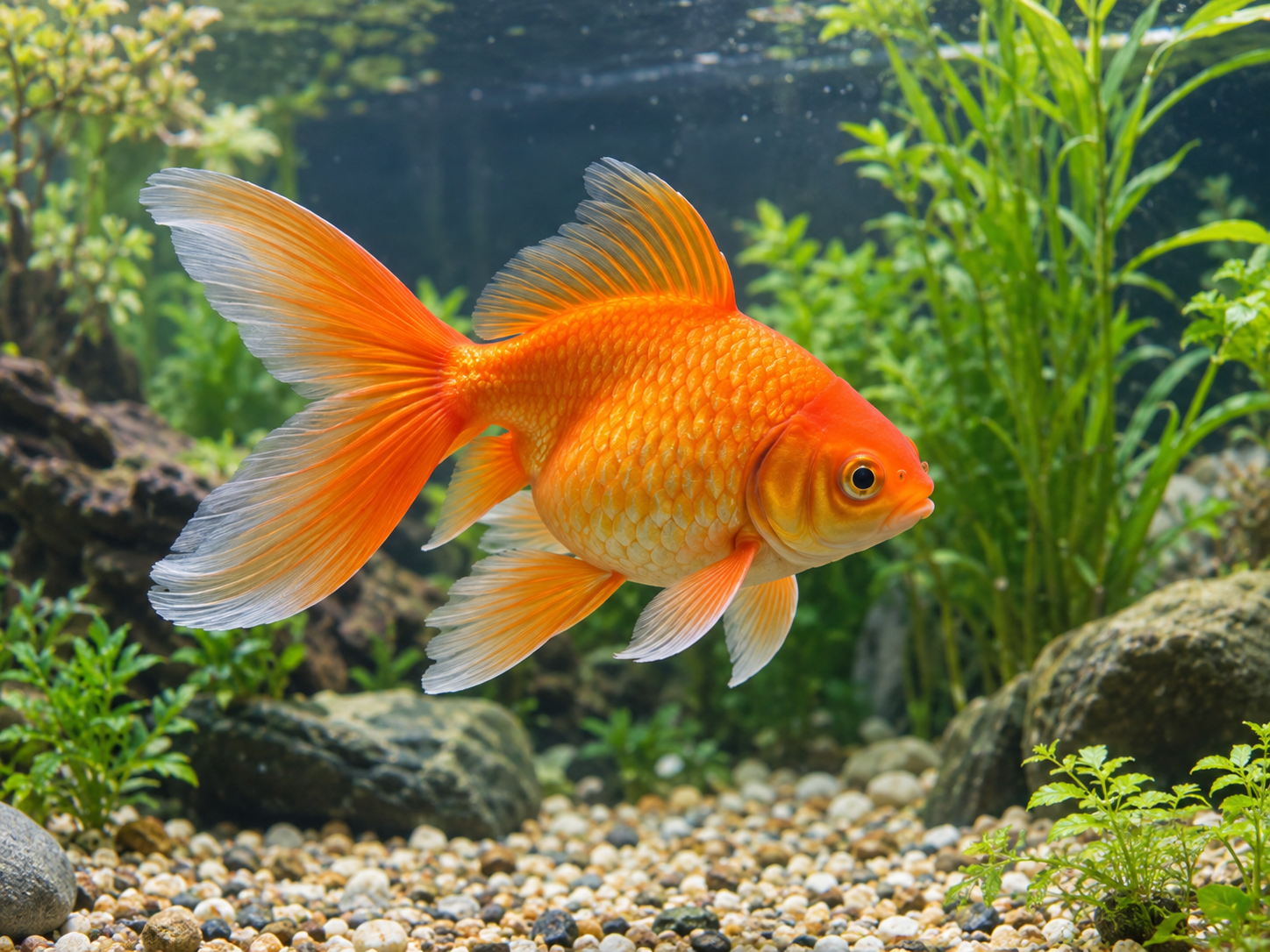
| Fancy goldfish (such as orandas, ryukins and fantails) | Often around 6–8 inches (15–20 cm) | A commonly used guideline is at least 20 gallons (75 L) for the first fish, plus around 10 gallons (38 L) for each additional fish |
| Single-tailed goldfish (such as common and comet goldfish) | Often 10–12 inches (25–30 cm) or more | Need a very large aquarium and are often best suited to a pond |
These are widely used minimums, and many experienced keepers recommend more. When in doubt, go bigger. A larger tank is also more forgiving if something goes wrong.
Choose a tank that’s longer rather than tall, as goldfish swim back and forth. A lid is a good idea too, as goldfish can jump.
Use strong filtration
A good filter removes debris and, just as importantly, provides a home for the beneficial bacteria that break down toxic waste. Because goldfish are so messy, many keepers choose a filter rated for a bigger tank than the one they have. Canister filters and large hang-on-back filters are popular options.
Goldfish, especially fancy varieties, aren’t strong swimmers, so aim for good filtration without a current so strong that they struggle against it. Adjusting the outflow or using a spray bar can help.
Cycle the aquarium first
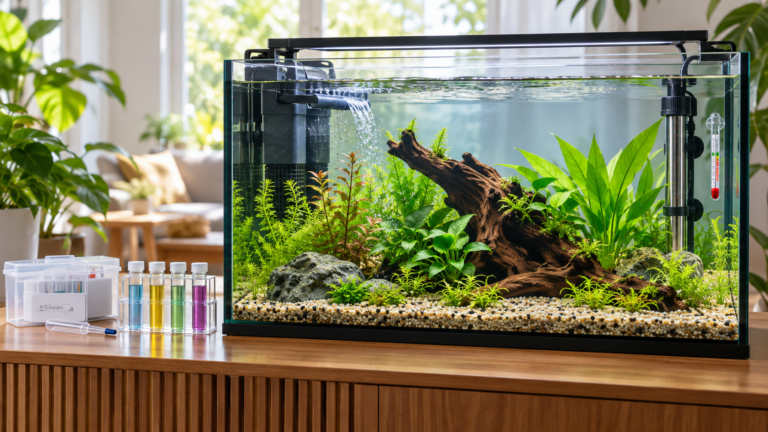
Before adding any fish, the tank needs to go through the nitrogen cycle. During this process, beneficial bacteria grow in the filter and learn to convert toxic ammonia into nitrite, and then into much less harmful nitrate.
- Set up the tank and filter, and add a source of ammonia, such as fish food or a bottled ammonia product.
- Test the water every few days with a liquid test kit.
- The tank is cycled when ammonia and nitrite both read 0 ppm and nitrate is present.
This usually takes several weeks, often around four to eight. Bottled bacteria products can help speed it up. Adding fish to an uncycled tank, sometimes called “new tank syndrome,” is one of the most common causes of early goldfish deaths.
Use treated water
Tap water often contains chlorine or chloramine, both of which harm fish and the beneficial bacteria in your filter. Always add a water conditioner that neutralizes both before the water goes into the tank, and try to match the temperature of new water to the tank.
Goldfish are coldwater fish and most don’t need a heater in a room kept at normal temperatures. Many do well at roughly 65–75°F (18–24°C). What matters most is keeping the temperature stable.
Add safe decoration
- Substrate: sand, large smooth stones or a bare bottom. Avoid small gravel that a goldfish could get stuck in its mouth while foraging.
- Plants: hardy plants such as anubias and java fern, which goldfish usually leave alone. Many softer plants simply get eaten.
- Decorations: smooth, rounded ornaments without sharp edges. Fancy goldfish have delicate fins and bulging eyes in some varieties, which are easily injured.
- Open space: plenty of clear swimming room in the middle of the tank.
Monitor water quality
Test ammonia, nitrite and nitrate regularly, especially in the first few months. In an established tank, ammonia and nitrite should always read 0 ppm, and nitrate should be kept low with water changes.
Most goldfish tanks benefit from a partial water change of around 20–30% each week, using a gravel vacuum to lift waste from the bottom. Rinse filter media in old tank water rather than tap water, so you don’t kill the beneficial bacteria.
Avoid overcrowding
Every extra fish adds more waste and puts more demand on the filter. Plan your stocking around the adult size of your goldfish, not the small size they are in the shop.
- Goldfish are social and generally do well in small groups, as long as the tank is big enough.
- Keep fancy goldfish with other fancy goldfish. Faster single-tailed types can outcompete them for food.
- Don’t mix goldfish with tropical fish, which need warmer water.
- Quarantine new fish in a separate tank for a few weeks before adding them, to avoid bringing in disease.
Build stability first
Good filtration, plenty of space, clean water and regular maintenance matter far more than decorations. A stable, well-cycled aquarium gives your goldfish the best foundation for a long, healthy life. With good care, many goldfish live for well over ten years.
If problems do show up, our guides on why a goldfish stays at the bottom of the tank and why fish gasp at the surface explain what to check first.
Frequently asked questions
What size tank does a goldfish need?
A commonly used guideline for fancy goldfish is at least 20 gallons (75 L) for the first fish, plus around 10 gallons (38 L) for each additional fish. Single-tailed goldfish, such as commons and comets, grow much larger and are often best suited to a pond.
Can goldfish live in a bowl?
A bowl isn’t suitable for goldfish. They produce a lot of waste and grow large, so they need a spacious, filtered and cycled aquarium to stay healthy.
How long does it take to cycle a goldfish tank?
Cycling usually takes several weeks, often around four to eight. The tank is ready when ammonia and nitrite both read 0 ppm and nitrate is present. Bottled bacteria products can help speed up the process.
Do goldfish need a heater?
Most goldfish don’t need a heater in a room kept at normal temperatures, as they are coldwater fish. Many do well at roughly 65–75°F (18–24°C). Keeping the temperature stable matters more than making it warm.